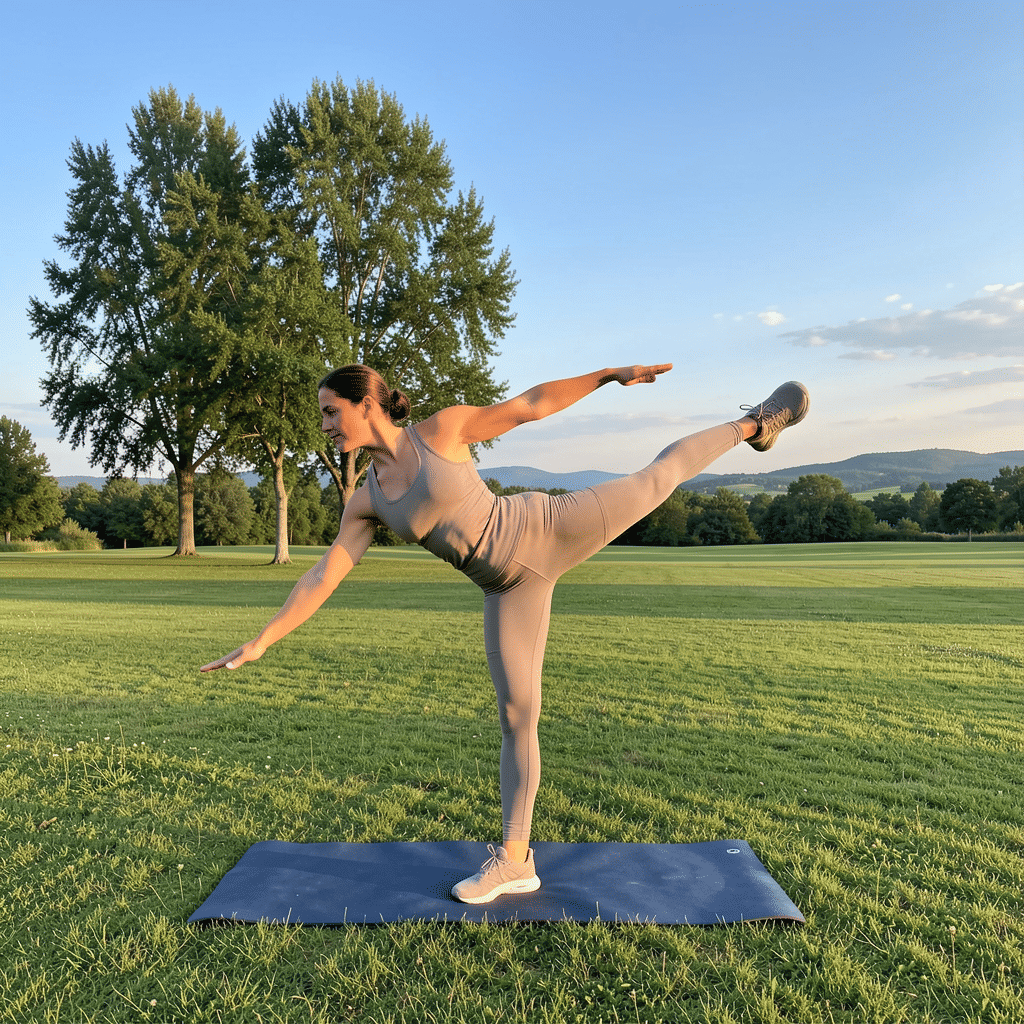
Yoga, an ancient practice with origins dating back thousands of years, has transcended its traditional roots to become a vital component in modern athletic training. Athletes in various disciplines are increasingly integrating yoga into their fitness routines to enhance flexibility, balance, and mental focus, which are essential elements for improving overall performance. This comprehensive guide explores the myriad benefits of yoga for athletes and offers practical tips to seamlessly incorporate it into your workout regimen.
Flexibility Enhancement
One of the most noticeable benefits of yoga is increased flexibility. For athletes, flexibility is crucial for a myriad of reasons, including injury prevention and optimal performance. Regular yoga practice helps lengthen and strengthen muscles, which can lead to improved range of motion. This is particularly beneficial for athletes in dynamic sports like gymnastics, dancing, and martial arts, where flexibility can offer a competitive edge.
Poses such as the Downward Dog and the Pigeon Stretch are excellent for targeting major muscle groups that are prone to tightness in athletes. Dedicating time to stretch these areas can release tension, reduce soreness, and expedite recovery after intense training sessions or competitions.
Balance and Coordination
Yoga is fundamentally about balance, both physically and mentally. For athletes, developing a keen sense of balance is crucial. Whether you're stabilizing during a gymnast's landing, staying upright on a skateboard, or maintaining posture in cycling, balance plays a pivotal role.
Practicing poses like the Tree Pose or the Warrior III can significantly enhance your proprioception and core stability. Improved balance and coordination translate to better control over your body's movements, leading to refined technique and efficiency in your sport.
Mental Focus and Concentration
Success in athletic performance often hinges as much on mental strength as on physical capability. Yoga offers tools to cultivate mindfulness and concentration, teaching athletes to harness the power of their breath, calm their minds, and maintain focus even under pressure.
Through meditative practices and controlled breathing exercises, such as Pranayama, athletes can learn to manage anxiety, build mental resilience, and enhance their ability to focus. This mental clarity can help athletes execute strategies during competition, maintain composure, and perform consistently at high levels.
Incorporating Yoga into Your Routine
Integrating yoga into your fitness routine doesn't require a drastic overhaul of your current training regimen. Start by setting aside 20 to 30 minutes two to three times a week to practice yoga. Many athletes find morning or cool-down after workouts to be the optimal times for yoga sessions.
It's essential to tailor your yoga practice to complement your specific sport. For instance, endurance athletes might focus on poses that enhance leg strength and lung capacity, while strength athletes might target flexibility and recovery.
Consider beginning your journey with an online class or local yoga session that caters specifically to athletes. This can provide structured guidance and help you focus on areas most beneficial to your sporting pursuits.
Conclusion
Yoga offers a well-rounded solution to improving athletic performance by enhancing flexibility, cultivating balance, and sharpening mental focus. As athletes seek to gain that extra edge, yoga provides invaluable tools that can elevate any fitness regimen. By committing to this practice, athletes not only enhance their physical vibrancy but also cultivate a mindset geared towards holistic growth and peak performance. Embrace yoga as an integral part of your training and witness the transformative effects on and off the field.