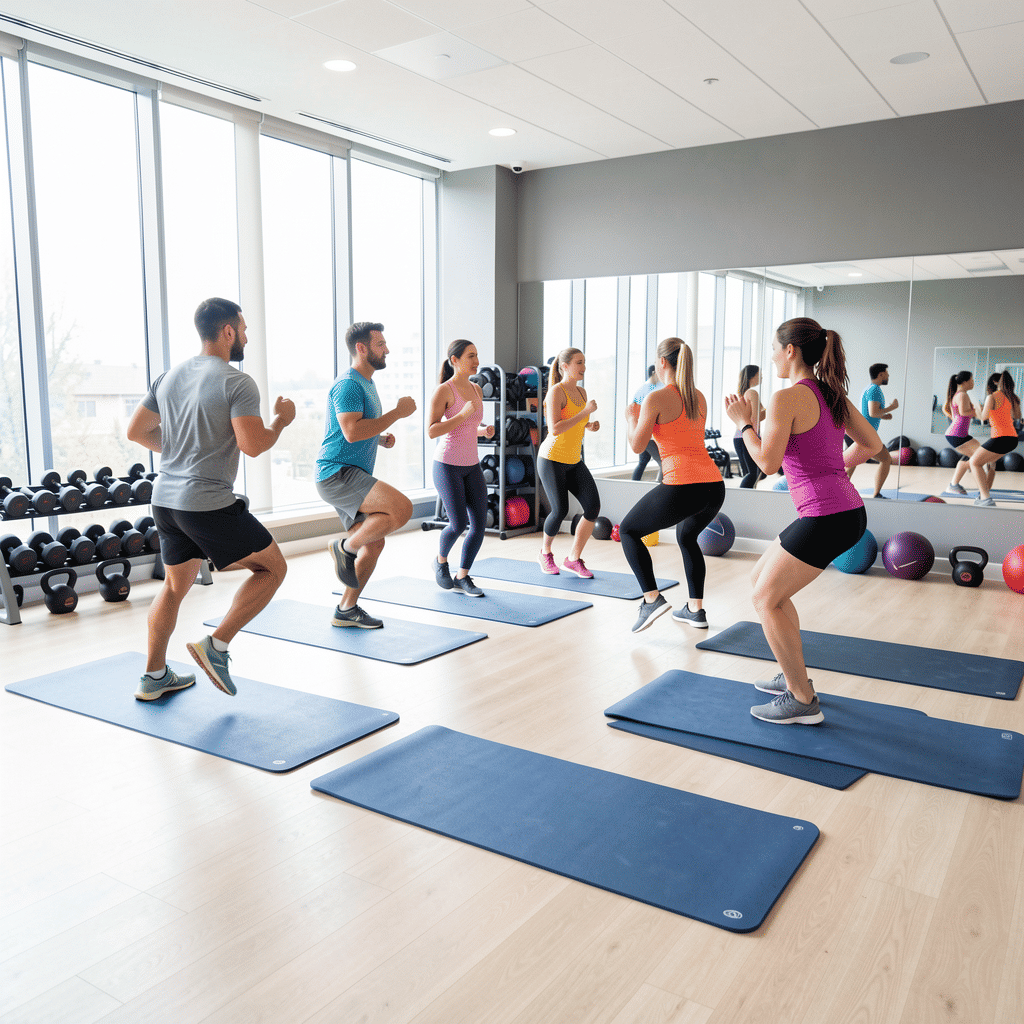
High-Intensity Interval Training, commonly known as HIIT, has transformed the landscape of modern fitness by offering a powerful formula to improve health and enhance athletic performance. Unlike traditional workouts that may require extended periods at the gym, HIIT maximizes efficiency, allowing individuals to achieve remarkable results in a fraction of the time. As lifestyles become increasingly busy, the appeal of squeezing a potent, full-body workout into just a short session has made HIIT an attractive choice for many.
At its core, HIIT involves alternating between short bursts of intense activity and periods of rest or low-intensity exercise. This cycle of pushing and recovering helps individuals to push their limits, stimulating both anaerobic and aerobic systems within the body. Whether you’re sprinting, cycling, or doing bodyweight exercises like burpees or mountain climbers, HIIT can adapt to any modality you prefer, which makes it accessible and versatile.
One of the many benefits of HIIT is its ability to incinerate calories not just during the workout, but long after it ends. This phenomenon, known as excess post-exercise oxygen consumption (EPOC), increases the number of calories burned as your body works to return to its resting state. This makes HIIT a powerful tool for those looking to shed weight or improve body composition without spending hours on a treadmill.
Moreover, HIIT is known to significantly boost cardiovascular health. The intense exertion required during intervals challenges the heart and lungs, leading to improvements in heart rate, blood pressure, and overall cardiac efficiency. This means better endurance and stamina, qualities that are useful not only in athletic pursuits but also in everyday activities.
In addition to its physical benefits, HIIT offers a mental edge. The rapid pace and varied structure of HIIT workouts help keep the mind engaged, reducing the monotony that can accompany longer, steady-state exercises. Furthermore, the sense of accomplishment after completing a challenging HIIT session can bolster mental resilience and confidence.
Another notable advantage of HIIT is that it requires minimal equipment, or sometimes none at all. Bodyweight exercises can be just as effective, making it possible to achieve a comprehensive workout session at home, in a park, or even in a hotel room while traveling. This convenience further underlines HIIT’s suitability for those with hectic schedules or limited access to gym facilities.
Despite its many benefits, HIIT may also have challenges, especially for beginners or those with pre-existing health conditions. It is important to approach HIIT with caution, gradually building up intensity and duration to avoid injury. Proper warm-up and cool-down routines should never be overlooked, as they help prepare the body for the demands of high-intensity exercises and facilitate recovery afterward.
In conclusion, HIIT stands out as a revolutionary approach to fitness, driving impressive results through its efficient, adaptable, and effective nature. Whether one is aiming to boost athletic performance, improve cardiovascular health, or simply break free from the monotony of traditional workouts, integrating HIIT into a regular exercise routine can offer transformative benefits. With proper guidance, and by listening to one’s body, HIIT has the potential to unlock new levels of physical and mental strength for anyone ready to take on the challenge.